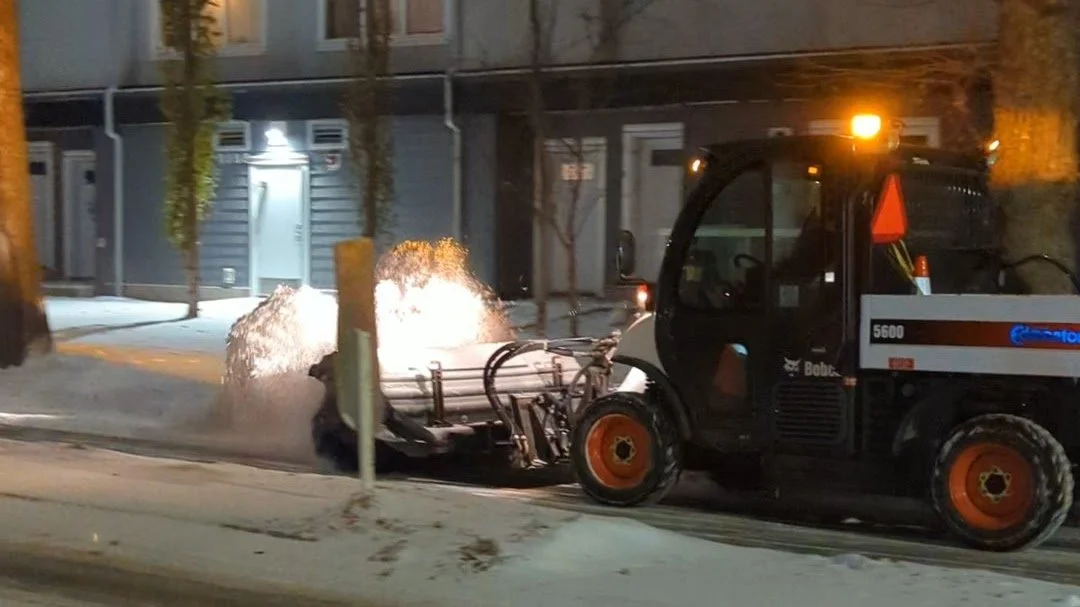


Bike Lanes

Should Cities Build More Bike Lanes?

Should Cities Build More Bike Lanes?

Alberta Views magazine recently featured an excellent for-and-against dialogue on the question of whether cities should build more bike lanes. Karly Coleman speaks to the benefits of bike lanes, and Kayode Southwood argues against them. We’ll let you be the judge of who makes the stronger case. It’s a very timely piece, and one of the best pieces of commentary we’ve seen on this heated subject.

Check out the dialogue on Alberta View’s site here.
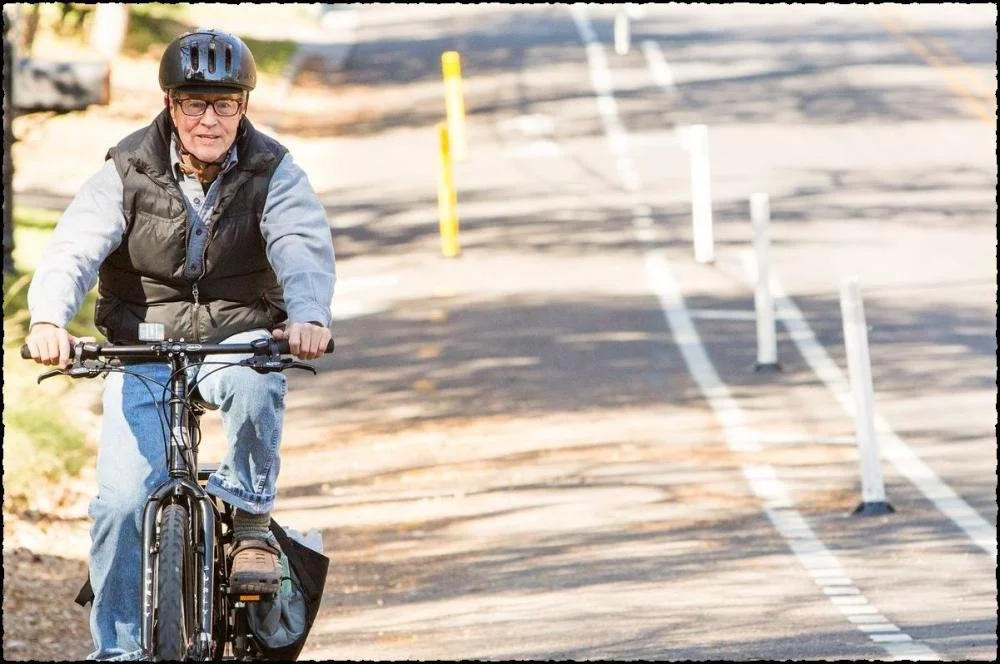
In Defense of Bike Lanes

In Defense of Bike Lanes

The provincial government has created a web portal to collect complaints about bike lanes.

This form is designed to prevent you from providing positive or constructive feedback so we thought we’d create an easy way for all the people that see value in bike lanes to have their say.

Visit bikeedmonton.ca/bikelanes to send a letter to the complain portal’s email, as well to to Minister Dreeshen and your other elected representatives. You can use our draft letter as it’s written, or modify it as you’d like.

NACTO Urban Bikeway Design Guide

The purpose of the NACTO Urban Bikeway Design Guide (part of the Cities for Cycling initiative) is to provide cities with state-of-the-practice solutions that can help create complete streets that are safe and enjoyable for bicyclists. The NACTO Urban Bikeway Design Guide is based on the experience of the best cycling cities in the world. The designs in this document were developed by cities for cities, since unique urban streets require innovative solutions. Most of these treatments are not directly referenced in the current version of the AASHTO Guide to Bikeway Facilities, although they are virtually all (with two exceptions) permitted under the Manual on Uniform Traffic Control Devices (MUTCD). The Federal Highway Administration has posted information regarding MUTCD approval status of all of the bicycle related treatments in this guide.. All of the NACTO Urban Bikeway Design Guide treatments are in use internationally and in many cities around the US.